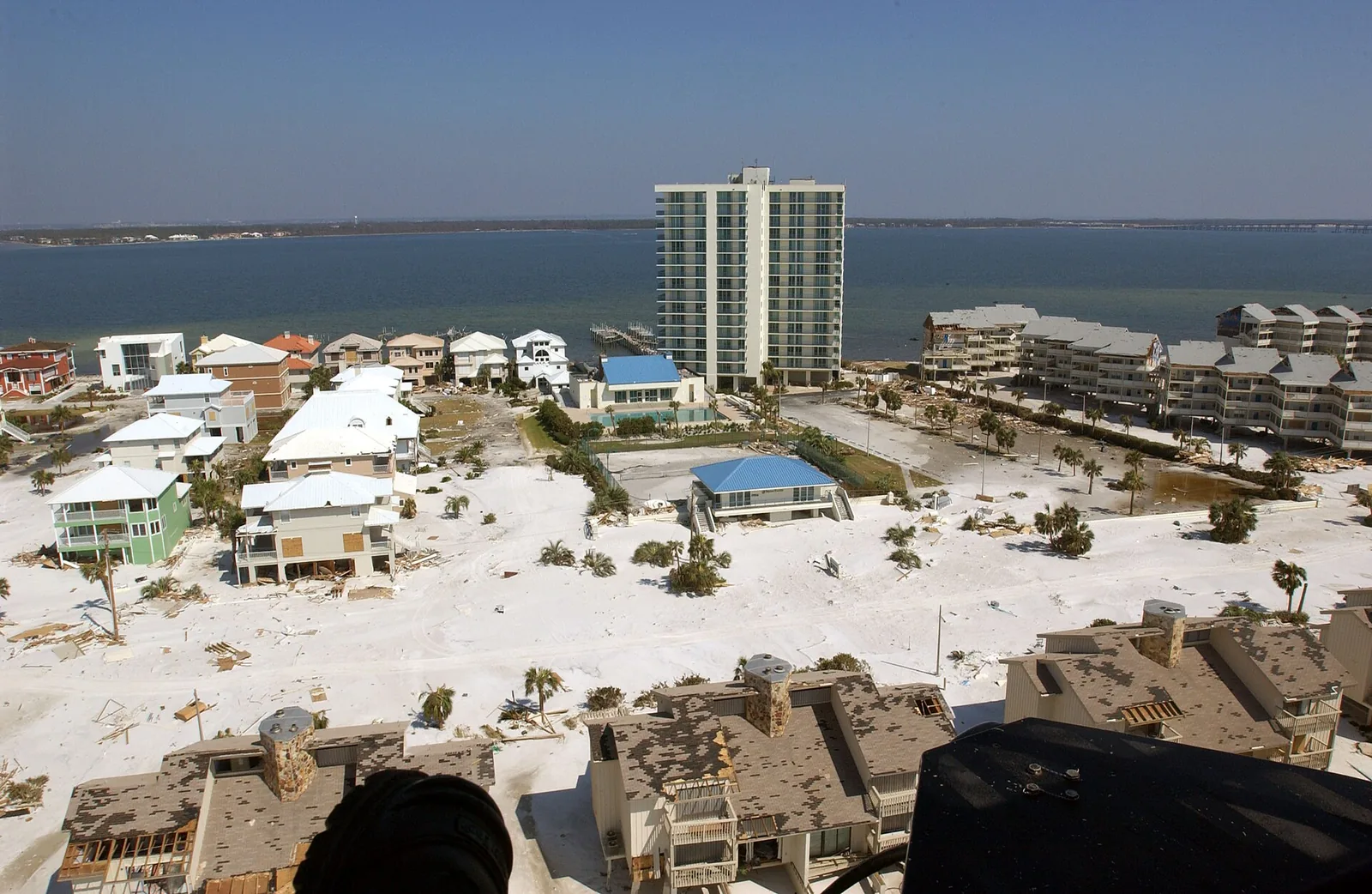
Hurricane Isaias recovery in Escambia County: Zones A and B evacuation order, boil-water notice, generator safety. Know your zone, shelters and supplies.
Last checked Oct. 10, 2026. Sources: Escambia County Emergency Management’s Storm Center and BeReady pages, the City of Pensacola’s Hurricane Isaias questions and answers and the National Weather Service in Mobile.
Escambia County sits on the Gulf of Mexico, and every part of it can see hurricane winds. Storm surge is the bigger killer. Escambia County Emergency Management’s advice is “run from water, hide from wind.” Hurricane season runs June 1 to Nov. 30.
Who to call
- Emergencies: 911
- Escambia County Citizen Information Line: 850-471-6600
- Escambia County Emergency Management: 850-471-6400
- City of Pensacola (debris, flooded or blocked city streets): 311 or 850-436-5555
- Downed power line: FPL, 1-800-468-8243
- ECUA water and sewer emergencies: 850-476-5110
- Unmet needs, shelters, recovery help: dial 211
- Report price gouging: 866-966-7226 | Insurance consumer helpline: 1-877-693-5236
Hurricane Isaias: where things stand
Isaias made landfall near Destin on Friday, Oct. 9, as a Category 2 hurricane with sustained winds of 105 mph, according to Escambia County. On Saturday, Oct. 10:
- Local states of emergency remain in place for Escambia County and the City of Pensacola, and the county’s evacuation order for Zones A and B was still shown as in effect.
- Power: nearly 141,000 of FPL’s 168,000 Escambia County customers lost power, and 11,500 had been restored by 8 a.m. Saturday, the city’s 8:30 a.m. update said.
- Water: ECUA’s precautionary boil-water notice remains in effect. Use bottled water for drinking and cooking.
- Roads: stay off them while crews clear trees and lines. Treat a dark signal as a four-way stop. See our road closures page.
- Report damage through the county’s Citizen Damage Report tool at myescambia.com.
After the storm: stay safe
From the county’s post-storm safety guidance:
- Generators go outside, away from the house, never in a home, garage or basement. Carbon monoxide is colorless, odorless and deadly. Turn the generator off and let it cool before refueling.
- Treat every downed line as live. Never drive over one. If a line falls on your car, stay inside and call 911.
- Cleanup: wear gloves and work boots, throw out unsafe food, remove wet carpet and furniture, keep children away from debris piles, and do not move displaced propane tanks.
- Mold: clean hard surfaces with soap and water or no more than 1 cup of bleach in a gallon of water. Never mix bleach with ammonia.
The city says to wait for its post-storm debris collection plan before piling debris at the curb, and not to burn storm debris inside city limits. Details on our trash and recycling page.
Know your zone
Look up your address at MyEscambia.com/KnowYourZone. Zones run A through E, or none. Check every year, because zones can change, and do not rely on how you rode out the last storm. If you live on a barrier island such as Pensacola Beach or Perdido Key, or in a mobile home, you will always be asked to evacuate. The county’s evacuation zones and routes map shows the way out.
Bridges close when sustained winds, not gusts, reach about 39 to 40 mph, the county and city say. Before Isaias, the Pensacola Bay Bridge, Theo Baars Bridge and Bob Sikes Bridge all closed.
Shelters
Shelter openings vary with each storm. Do not go to a shelter until you have confirmed it is open, the county says. Openings are announced at MyEscambia.com/beready, on the Citizen Information Line (850-471-6600) and through local media. The county also runs a special needs shelter and keeps a list of pet-friendly shelters. For Isaias, ECAT stopped rides to shelters once conditions worsened, so leave early.
Before the next storm
- Build a kit with at least seven days of food, water and supplies for everyone in the house, including pets, the county advises.
- Know your home. A newer home built to hurricane code may be the safest place if you are outside the evacuation zones.
- Secure outdoor furniture, trash carts and anything that could fly.
- Sandbags: before Isaias, the county put out free sand at sites across the county. Watch MyEscambia.com for locations when a storm threatens.
- Sign up for alerts through Alert Escambia and the city’s Notify Me service.
Tax-free hurricane supplies
Since Aug. 1, 2025, Florida has exempted many disaster supplies from sales tax all year, replacing the old two-week sales tax holiday. The list includes AA, AAA, C, D, 6-volt and 9-volt batteries, portable generators and waterproof tarps of 1,000 square feet or less, according to a county summary of the new law. Check the Florida Department of Revenue’s list before you buy.
Forecasts
- National Weather Service in Mobile, which covers Escambia County
- National Hurricane Center
- FloridaDisaster.org
Related: power outages in Pensacola, road closures and Escambia County property taxes.
Frequently asked questions
What evacuation zone am I in, in Escambia County?
Look up your address at MyEscambia.com/KnowYourZone. Zones run A through E, or none. People on a barrier island or in a mobile home are always asked to evacuate when an order is given.
Is there an evacuation order in Escambia County now?
Escambia County issued an evacuation order for Zones A and B on Oct. 8, 2026, for Hurricane Isaias, and the county’s Storm Center still showed it in effect on Oct. 10. Do not return until officials say it is safe.
Is the water safe to drink in Pensacola after Hurricane Isaias?
ECUA issued a precautionary boil-water notice for its system on Oct. 9. Use bottled water for drinking and cooking until ECUA lifts it.
When do the Pensacola bridges close in a hurricane?
The county says bridges close when sustained winds, not gusts, of 39 mph make them unsafe. The city’s storm guide puts the trigger at sustained winds of 40 mph on the bridge.
Are hurricane supplies tax-free in Florida?
Yes, year-round since Aug. 1, 2025. Florida replaced its two-week disaster sales tax holiday with a permanent exemption for items such as batteries, portable generators and waterproof tarps of 1,000 square feet or less.
Have your say