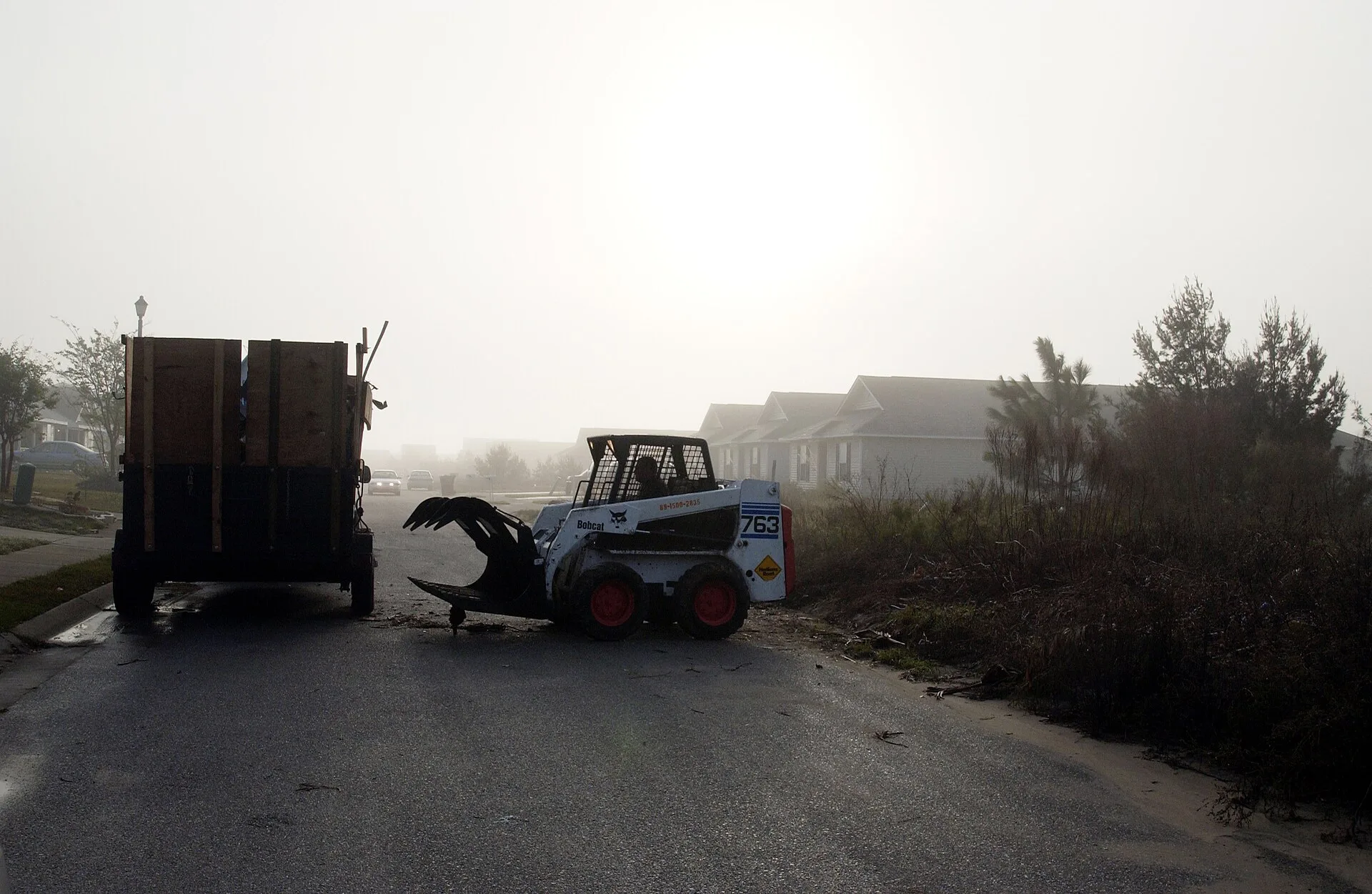
Pensacola's first debris pass will take 4 to 5 weeks, and crews may take one pile and leave the next. How the order works, what to report to 311, and when recycling returns.
The first pass to clear Hurricane Isaias debris from Pensacola’s streets will take four to five weeks, the city said. Crews will then start a second pass, and more if needed, until every street is clear.
If a truck took your neighbor’s pile and left yours, or took half of it, that is how the system is meant to work for now. The city explained why in a release on how debris collection works, posted Thursday.
How crews decide where to go
The city said three rules set the order:
- Worst-hit areas first. Crews start where the city’s tree canopy maps suggest the most storm damage. The debris collection tracker shows which areas are in progress.
- Hazards before everything else. Supervisors check priority areas every day for debris that could endanger drivers or people on foot, such as large trunks or piles that spill into the road. Those are picked up first.
- Then whatever fits. Once the hazards are loaded, trucks fill the space left with smaller debris such as leaves, twigs and branches. That is why one property can be cleared and the next one skipped, or part of a pile left behind.
The size of the job
The scale is large. In its Oct. 19 recovery update, the city said:
- debris removal had cost $16 million so far, “and climbing”
- its hauler, D&J, estimates about 1 million cubic yards will be collected in the city
- crews had hauled 3,236 loads of vegetative debris by Oct. 19
- the debris is being stored for now at Roger Scott and Goya Drive
The city compared 1 million cubic yards to a football field stacked more than 500 feet high.
What to report, and what to leave
Call 311, or 850-436-5555, only when debris fully blocks a road or limbs hang low over it, the city said. You can file and track a request at cityofpensacola.com/311. Crews will reach every street on the first pass, the city said.
Keep two piles, not one:
- Vegetative debris: tree limbs and leaves
- Construction and demolition debris: building materials, fencing, carpet, furniture and plumbing materials
The city also asked drivers to slow down around debris piles.
Garbage, recycling and bills
The same Oct. 19 update set out changes to regular service:
- Recycling restarts Monday, Oct. 26. Until then, recycling carts are being emptied but the contents are not recycled.
- Missed garbage pickup: crews are working Wednesdays, normally their day off, to catch up. If your cart was missed, file a 311 ticket.
- Bills: all Pensacola Energy and city sanitation bills due now are extended to Nov. 2.
- Neighborhood cleanup: the October Mayor’s Neighborhood Cleanup moves to Saturday, Nov. 21.
Our trash and recycling page has the regular collection schedule.
The emergency is extended again
Mayor D.C. Reeves extended the city’s local state of emergency for a second time Thursday morning. The declaration says the aftermath of the storm “poses a continued threat” to people and property. It expires in seven days, on Oct. 29, unless the mayor extends or shortens it. Under it, the mayor can spend money, sign contracts and bring in emergency workers for the recovery.
What it means for you
- Expect to wait. The first pass alone is expected to take four to five weeks, and crews will come back for a second.
- Separate your debris into vegetation and building materials, or it may be left.
- Call 311 only for a blocked road or low-hanging limbs, so those calls get through.
- Keep putting recycling out. It is collected now and recycled again from Oct. 26.
- Need help clearing your yard? The Crisis Cleanup hotline, 800-451-1954, connects residents with volunteer groups for tarping, tree removal and debris cleanup, the city said.
Our recovery story has the latest on parks, schools and the resource center at the Bayview Senior Center. Homes in the city’s three redevelopment districts may qualify for CRA grants for tarps and tree removal.
Have your say